
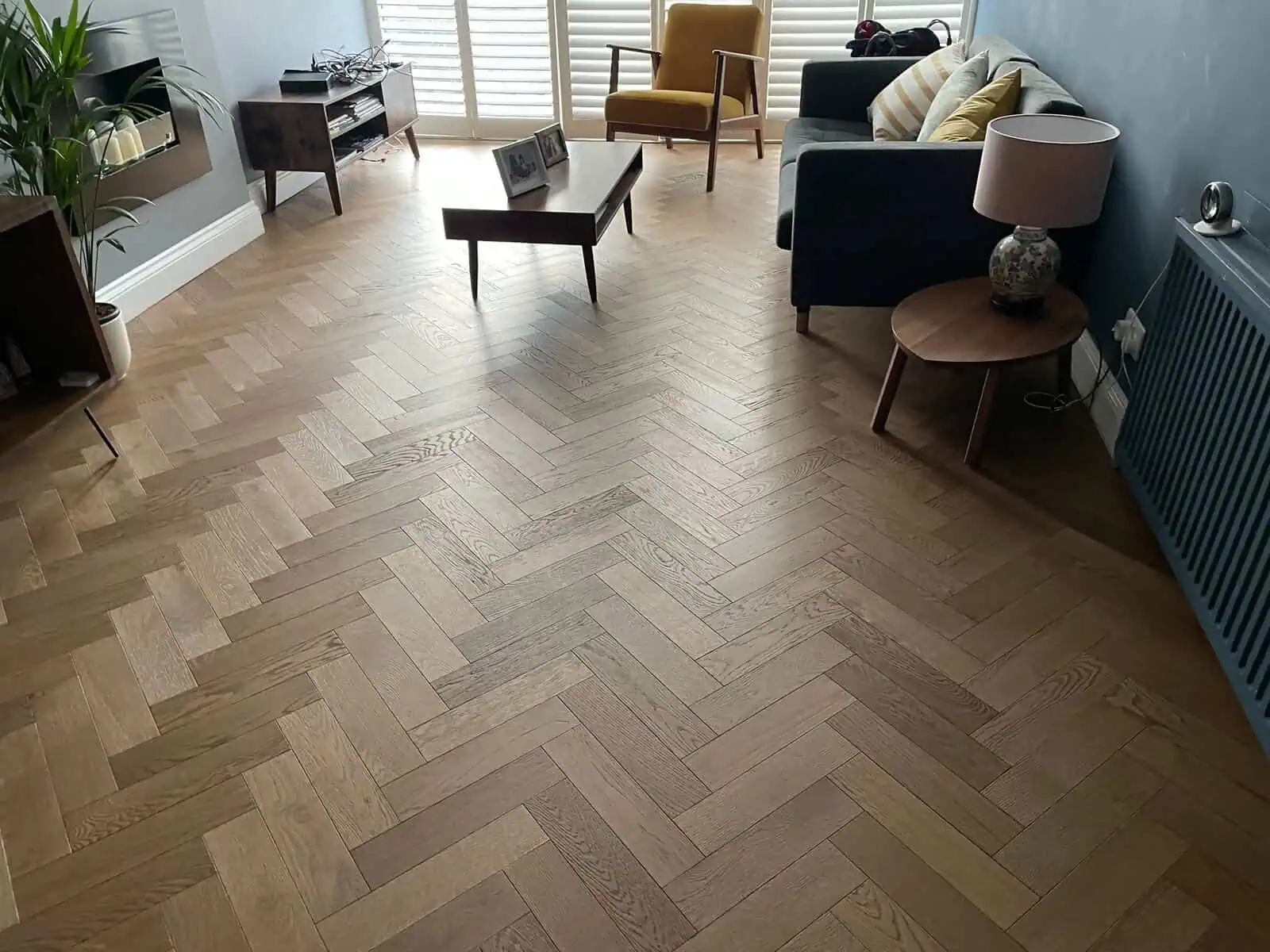
Choosing the right wood floor installation is one of the most important decisions for homeowners planning renovations. With the options of solid wood flooring installation and engineered wood flooring, it can be challenging to decide which material works best in each room. Both types offer unique advantages in terms of durability, moisture resistance, and aesthetic appeal. This guide will help you make informed choices and ensure professional wood floor installation for every space in your home.
Understanding Solid Wood Flooring
Solid wood flooring is crafted from a single piece of timber, offering unmatched authenticity and natural beauty. Each plank can be sanded and refinished multiple times, making it a long-lasting investment. Solid wood flooring installation is ideal for areas where moisture is limited, and temperature fluctuations are minimal.
Advantages of Solid Wood Flooring
Durability: With proper care, solid wood can last for decades, potentially outliving the building itself.
Refinishing Options: Can be sanded and polished multiple times throughout its lifetime to restore the original lustre and remove surface damage.
Timeless Aesthetic: Adds warmth, character, and value to any interior, with each plank displaying unique grain patterns.
Investment Value: Genuine solid wood flooring significantly enhances property value and appeal to potential buyers.
Considerations
Solid wood is sensitive to humidity and temperature changes, making it unsuitable for kitchens, bathrooms, or basements without proper environmental controls and treatment. The material requires careful acclimatisation before installation and typically necessitates professional wood floor installation services to ensure a flawless finish and long-term performance.
Understanding Engineered Wood Flooring
Engineered wood flooring is constructed from multiple layers of wood, with a hardwood veneer bonded to a stable plywood or high-density fibreboard core. This multi-layer construction provides greater dimensional stability and resistance to changes in moisture and temperature, making it suitable for a wider range of rooms and installation environments.
Advantages of Engineered Wood Flooring
Moisture Resistance: The layered construction makes engineered wood ideal for kitchens, bathrooms, and basements where humidity levels fluctuate.
Dimensional Stability: Significantly less likely to warp, expand, or contract with changes in humidity and temperature compared to solid wood.
Installation Flexibility: Can be installed using various methods including floating, gluing, or nailing, and is compatible with underfloor heating systems.
Variety of Finishes: Offers the same aesthetic appeal as solid wood with a wide range of species, stains, and surface treatments available.
Cost-Effectiveness: Generally more affordable than solid wood whilst still providing an authentic appearance.
Considerations
Engineered wood has limited refinishing potential compared to solid wood, typically allowing one to two sandings depending on the thickness of the top veneer layer. Professional installation by experienced wood flooring installers remains essential to ensure proper laying techniques and long-term performance.
Room-by-Room Guide for Wood Floor Installation
Living Rooms and Dining Areas
Recommendation: Solid wood flooring installation
Reasoning: These spaces are typically well-controlled environments that benefit from the natural beauty and timeless appeal of solid wood. The ability to refinish solid wood multiple times makes it ideal for these high-visibility areas. Herringbone wood floor installation or traditional plank layouts can enhance the visual impact and create a striking focal point.
Installation Tip: Ensure the subfloor is perfectly level, clean, and dry for a flawless finish. Consider the direction of natural light when planning plank orientation.
Bedrooms
Recommendation: Solid wood or engineered wood flooring
Reasoning: Bedrooms generally maintain stable temperatures and low moisture levels, making both options viable. Solid wood is ideal for those seeking a luxurious feel and long-term investment, whilst engineered wood offers a cost-effective alternative with excellent stability. The choice often depends on budget and whether the room is above a potentially damp area.
Installation Tip: Consider professional wood floor installation services for precise pattern alignment and to ensure acoustic underlays are properly fitted for sound insulation.
Kitchens
Recommendation: Engineered wood flooring
Reasoning: Kitchens are prone to spills, steam, and humidity fluctuations from cooking and appliances. Engineered wood provides superior moisture resistance whilst maintaining the warm aesthetic of natural wood, reducing the risk of warping or damage. The dimensional stability ensures the floor remains flat and secure even with underfloor heating.
Installation Tip: Seal all edges and joints properly during installation to prevent water infiltration. Ensure adequate expansion gaps around the perimeter and any fixed units.
Bathrooms and Utility Rooms
Recommendation: Engineered wood flooring
Reasoning: These areas require maximum stability against moisture and temperature fluctuations. Engineered wood flooring offers the perfect balance of natural beauty and practical performance. Select products specifically rated for bathroom use with appropriate moisture barriers.
Installation Tip: Employ a professional wood floor installation service with specific experience in wet areas. Ensure proper sealing and consider additional moisture barriers beneath the flooring.
Hallways and High-Traffic Areas
Recommendation: Solid wood or premium-quality engineered wood
Reasoning: Both options can withstand daily foot traffic if properly maintained and installed. Solid wood floors can be refinished over time to remove wear patterns, whilst high-quality engineered wood is typically easier to clean and maintain. Choose harder wood species for these demanding areas.
Installation Tip: Consider a herringbone wood floor installation for hallways to create a striking entrance whilst the pattern helps disguise wear. Ensure the finish is appropriately durable for heavy use.
Staircases
Recommendation: Solid wood or thick-veneer engineered wood
Reasoning: Stairs require robust materials that can withstand concentrated foot traffic and potential impacts. Both materials perform well when properly installed with appropriate nosings and risers.
Installation Tip: Professional installation is essential for safety and longevity. Ensure all nosings are securely fixed and consider anti-slip treatments for heavily used stairs.
Basements and Below-Grade Spaces
Recommendation: Engineered wood flooring only
Reasoning: Below-grade spaces are inherently more prone to moisture issues. Solid wood should never be installed in these areas due to the risk of moisture ingress from the ground. Engineered wood’s stability makes it the only viable natural wood option.
Installation Tip: Install a comprehensive moisture barrier system and ensure proper subfloor preparation. Monitor humidity levels and consider a dehumidifier if necessary.
Key Factors for Choosing Between Solid and Engineered Wood
Moisture Levels
High moisture areas: Engineered wood flooring is essential for kitchens, bathrooms, utility rooms, and basements where humidity regularly exceeds 60%.
Low moisture areas: Solid wood flooring performs excellently in controlled environments like living rooms, dining rooms, and bedrooms where humidity remains between 35-55%.
Subfloor Type
Concrete subfloors: Engineered wood is generally better suited due to installation method flexibility and moisture concerns associated with concrete.
Wooden subfloors: Both solid and engineered wood are compatible, though solid wood often performs exceptionally well when nailed to wooden joists.
Installation Method
Solid wood flooring installation typically requires nailing or secret nailing (tongue and groove) to a wooden subfloor or battens. This method provides excellent stability and allows for future refinishing.
Engineered wood can be installed using multiple methods: glued directly to subfloors, floated over underlay, or nailed depending on the product specification, subfloor type, and plank thickness. This versatility makes it suitable for more challenging installations.
Budget and Longevity
Solid wood represents a long-term investment with higher initial material and installation costs. However, the ability to refinish multiple times means it can last 100 years or more with proper care, potentially making it more economical over time.
Engineered wood is generally more cost-effective initially and suitable for areas where solid wood may not perform well. Whilst refinishing options are limited, quality engineered products can last 30-50 years with appropriate maintenance.
Underfloor Heating Compatibility
Engineered wood is specifically designed for compatibility with underfloor heating systems due to its dimensional stability.
Solid wood can be used with underfloor heating but requires careful species selection, professional installation, and stringent environmental controls.
Aesthetic Preferences
Both options offer similar finishes, species choices, and visual appeal. However, herringbone wood floor installation can particularly highlight the natural elegance of solid wood, with each plank’s unique character contributing to the overall pattern. Engineered wood provides consistent visual appeal across planks due to manufacturing processes, which some homeowners prefer for a uniform appearance.
Expert Tips from Professional Wood Flooring Installers
Professional wood flooring installers at Salagean Flooring emphasise the following critical aspects:
Accurate Measurement and Planning
Precise measurements prevent gaps, wastage, and ensure perfect herringbone or plank alignment. Professional installers account for expansion gaps, pattern repeats, and transitions between rooms during the planning phase.
Proper Acclimatisation
Wood flooring must acclimatise to the room’s temperature and humidity conditions for at least 48-72 hours before installation. This process allows the timber to adjust to its final environment, minimising post-installation movement.
Comprehensive Subfloor Preparation
A level, clean, and dry subfloor is fundamental to long-term stability and prevents issues such as squeaking, bouncing, or premature wear. Professional installers check for moisture levels, structural soundness, and levelness before commencing work.
Installation Direction and Pattern
Consider natural light sources, room proportions, and architectural features when determining plank direction. For narrow rooms, running planks lengthways creates an illusion of greater space.
Expansion Gaps
Adequate expansion gaps around the perimeter and any fixed objects are essential to accommodate natural timber movement. These gaps are typically 10-15mm and are concealed by skirting boards or beading.
Finishing and Sealing
The final finish protects the floor and enhances its appearance, whether solid or engineered wood. Professional application of oils, lacquers, or UV-cured finishes ensures even coverage and optimal protection.
By employing professional wood floor installation services from experienced installers like those at Salagean Flooring in Goole, Yorkshire, homeowners across the UK can achieve flawless results with long-lasting beauty and performance.
Herringbone Wood Floor Installation: A Special Consideration
Herringbone wood floor installation is an increasingly popular choice for both solid and engineered wood floors, particularly in period properties and contemporary homes seeking a luxury aesthetic. This distinctive pattern offers numerous advantages:
Visual Interest
The angled arrangement of planks creates dynamic, sophisticated flooring that draws the eye and adds architectural interest to any space. The pattern produces a sense of movement whilst remaining classic and timeless.
Luxury Appeal
Herringbone patterns have been associated with high-end interiors for centuries, from French châteaux to English manor houses. Installing this pattern instantly enhances interiors with a premium, bespoke appearance.
Versatility
Whilst traditionally associated with solid oak in formal reception rooms, herringbone works beautifully in living rooms, hallways, and even kitchens when using engineered wood. The pattern suits both traditional and contemporary interior styles.
Practical Considerations
Professional wood flooring installers ensure that every plank is precisely cut and placed, creating seamless herringbone patterns with tight joints and perfect alignment. This installation method is more time-consuming and requires greater skill than standard plank laying, making professional installation essential.
The pattern also uses approximately 10-15% more material than straight-lay installations due to cutting requirements, which should be factored into budgeting.
Choosing the Right Wood Species
Beyond deciding between solid and engineered construction, selecting the appropriate wood species is crucial:
Oak
The most popular choice in the UK, offering excellent durability, attractive grain patterns, and versatility. Available in European and American varieties.
Walnut
Provides rich, dark tones and sophisticated appearance. Softer than oak, making it better suited to lower-traffic areas.
Maple
Extremely hard and durable with subtle, fine grain. Ideal for high-traffic areas but can be challenging to stain evenly.
Ash
Similar characteristics to oak with pronounced grain patterns. Offers excellent durability and takes stains well.
Cherry
Develops a beautiful patina over time, darkening with age and light exposure. Moderately hard and suitable for most residential applications.
Maintenance Considerations
Solid Wood Maintenance
Regular sweeping or vacuuming to remove grit and debris, immediate cleaning of spills, periodic application of appropriate maintenance products, and professional refinishing every 10-20 years depending on wear.
Engineered Wood Maintenance
Similar day-to-day care to solid wood, though refinishing options are limited. Focus on prevention of damage rather than correction, and use manufacturer-recommended cleaning products to preserve the factory finish.
Environmental Considerations
Both solid and engineered wood can be environmentally responsible choices when sourced from sustainably managed forests. Look for FSC (Forest Stewardship Council) or PEFC (Programme for the Endorsement of Forest Certification) certification. Engineered wood often uses less premium timber, making efficient use of resources, whilst solid wood’s longevity means fewer replacements over time.
Conclusion
Deciding between solid and engineered wood flooring depends on your home’s layout, moisture levels, subfloor type, budget, and aesthetic goals. Solid wood flooring installation is perfect for traditional elegance and rooms with stable environmental conditions, offering unmatched longevity and refinishing potential. Engineered wood flooring provides superior stability and moisture resistance for kitchens, bathrooms, basements, and high-traffic areas, along with compatibility with underfloor heating systems.
Visit our Goole showroom at 54 Aire Street to view samples, discuss your project, and experience our craftsmanship firsthand. Our team of expert installers is ready to transform your home with premium wood flooring that will provide beauty and value for generations to come.
Frequently Asked Questions
Which is more durable, solid or engineered wood?
Solid wood flooring offers exceptional longevity and can be refinished multiple times, potentially lasting over a century with proper care. Engineered wood provides superior dimensional stability and moisture resistance, making it more durable in challenging environments. The best choice depends on the specific room conditions and expected usage patterns.
Can I install wood floors in my kitchen and bathroom?
Yes, engineered wood flooring is specifically designed for these spaces due to its moisture resistance and dimensional stability. Solid wood is not recommended for bathrooms and requires careful consideration for kitchens, as it may require additional treatment and meticulous maintenance to prevent damage from spills and humidity.
How long does professional wood floor installation take?
Installation timelines vary significantly based on room size, complexity, subfloor condition, and chosen pattern. Standard plank installation might take 1-2 days for an average room, whilst herringbone wood floor installation may require 3-5 days due to the precision cutting and alignment requirements. Complex patterns like Versailles panels or Mansion Weave require even longer.
Are engineered floors more cost-effective than solid wood?
Engineered wood generally costs less initially and offers easier, faster installation, making it a practical choice for high-moisture or below-grade areas. However, solid wood’s refinishing capability means it may prove more economical over several decades. The best value depends on your specific circumstances, intended duration of residence, and room conditions.
Do I need professional wood flooring installers?
Yes, professional installation is strongly recommended for both solid and engineered wood. Expert installers ensure precise alignment, proper subfloor preparation, correct expansion gaps, and appropriate finishing for durable, visually appealing results. Professional wood floor installation services also typically include guarantees and warranties that DIY installations cannot match.
